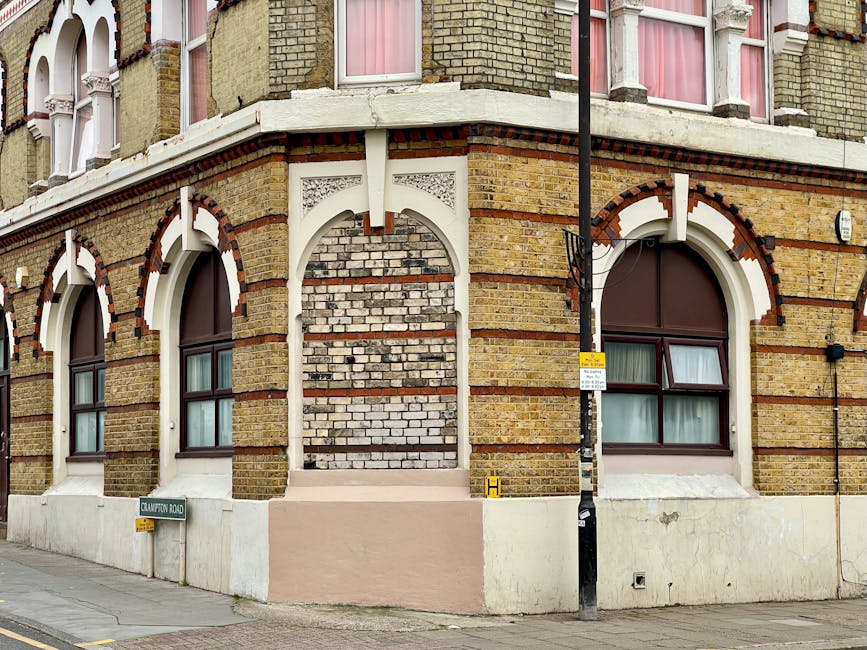
Goldhawk Road Shepherds Bush Removal Tips for Narrow Access Flats W12
Moving out of a flat near Goldhawk Road can be straightforward on paper, then suddenly awkward in real life. A tight stairwell, a narrow hallway, a front door that barely stays open, and a van parked in the wrong spot for two minutes too long - that is often where a simple move starts to feel like a puzzle. These Goldhawk Road Shepherds Bush removal tips for narrow access flats W12 are designed to help you plan properly, protect your furniture, and keep the day calm enough that you can actually breathe.
Whether you are leaving a compact upper-floor flat, managing a shared entrance, or trying to move larger items through a building with awkward corners, the key is preparation. The good news? Narrow-access moves are absolutely manageable when you break them down into the right steps. Below, you will find a practical guide covering planning, packing, access checks, loading strategy, and the small details that make a big difference. If you want support with a wider move, you may also find it helpful to look at home moves or the broader removal services offered on the site.
- Why this kind of move matters
- How the move works in practice
- Key benefits and practical advantages
- Who this is for and when it makes sense
- Step-by-step guidance
- Expert tips for better results
- Common mistakes to avoid
- Tools, resources and recommendations
- Law, compliance, standards and best practice
- Options and comparison table
- Case study or real-world example
- Practical checklist
- Conclusion
- Frequently asked questions
Why Goldhawk Road Shepherds Bush removal tips for narrow access flats W12 Matters
Narrow-access flat moves are not difficult because people are careless. They are difficult because the environment does not give you much margin for error. In W12, especially around busy routes like Goldhawk Road, you may be dealing with constrained kerb space, shared hallways, older buildings, small lifts, or staircases that seem to have been designed before sofas got bigger. A move like this can go sideways fast if you treat it like a standard suburban house removal.
That is why the right approach matters. You are not just moving boxes. You are managing timing, route planning, furniture size, building access, and the people involved in the process. One badly judged item can delay everything. A wardrobe that looks fine in the living room can become a problem the moment it meets a sharp corner. A mattress can be easy to carry but awkward to pivot through a landing. It sounds obvious, but in the rush of moving day, obvious things get missed.
There is also the question of neighbour relations. A sensible plan reduces block entry disruption, keeps communal areas clear, and avoids that awkward moment when someone is trying to get to work and your chest of drawers is blocking the hallway. To be fair, no one enjoys being the moving day nuisance.
Good preparation also helps protect your belongings. Scraped paint, bent bed frames, chipped table legs, and broken handles often happen when access is tight and the team is rushing. With the right setup, you reduce risk before a single item is lifted.
How Goldhawk Road Shepherds Bush removal tips for narrow access flats W12 Works
The process is less about brute force and more about sequencing. First, you identify the access constraints: doorway widths, staircase turns, lift size if there is one, parking distance, loading restrictions, and any building rules. Then you decide how items will be broken down, protected, and moved. Only after that do you think about the van and loading order.
A narrow-access move usually works best when you divide it into three phases:
- Survey and plan - measure the awkward parts, identify the largest items, and decide what should be dismantled.
- Prepare and pack - protect furniture, label boxes properly, and set aside tools, keys, and essentials.
- Move and load strategically - start with the most awkward items, keep the route clear, and load the van in a stable order.
In practice, that means your move day should already feel half-finished before the van arrives. If the movers turn up to find loose cables, unwrapped mirrors, and a wardrobe still assembled in a room with a tight bend, everyone loses time. The best narrow-access moves feel almost boring. That is a compliment.
If you are comparing support options, it can help to look at man and van style support for smaller loads or movers for a more hands-on service where awkward access is expected and planned for.
Key Benefits and Practical Advantages
When you prepare a narrow-access move properly, the benefits are immediate and very real. You save time, reduce stress, and avoid a lot of the little disasters that make moving feel longer than it should. Simple, really. But there are a few specific advantages worth spelling out.
- Less physical strain: careful planning means fewer forced lifts, fewer awkward twists, and less chance of one person doing too much.
- Lower damage risk: dismantling items and padding tight corners protects both your furniture and the building.
- Faster loading: when access is mapped out in advance, items move in a smoother sequence.
- Better parking decisions: planning the van position in advance prevents wasteful back-and-forth.
- Less neighbour disruption: fewer delays in communal areas means less friction with other residents.
There is another benefit people underestimate: confidence. Once you know the sofa will fit, the van can park where needed, and the tricky wardrobe is coming apart before it reaches the door, the whole day feels less threatening. You stop bracing for chaos.
That matters more than people admit. Moving is stressful enough already.
Who This Is For and When It Makes Sense
This guidance is for anyone moving out of, or into, a flat with tight access in and around Goldhawk Road, Shepherds Bush, W12. That includes top-floor flats, converted terraces, mansion blocks, period properties with narrow staircases, and modern flats where the hallway is simply too tight for large furniture unless it is handled carefully.
It makes sense if you are moving:
- from a one-bedroom or studio flat with limited storage space
- with bulky items such as wardrobes, bed frames, sofas, desks, or white goods
- in a building with shared access or a small lift
- during a busy time of day when parking is unpredictable
- with children, pets, or time pressure in the mix
It is also relevant if you are a landlord, letting agent, or property manager trying to reduce the wear and tear that often comes with hurried flat moves. Narrow access is where rushed decisions become visible very quickly. A careful plan keeps everyone happier.
If you are moving on a budget, you might also compare removals near me options with a more tailored removal company approach, because narrow access often benefits from a bit more planning rather than the cheapest available van.
Step-by-Step Guidance
Here is the part that usually saves the day. Follow this sequence and you will make things easier for yourself, your movers, and your building.
1. Measure the route, not just the room
Do not stop at the width of the front door. Measure the entire path: doorway, hallway, staircase landing, and any tight corners. One item can fit through every opening individually and still fail at the turn between them. If you have a very large piece, measure it in its most awkward orientation too. A mattress on its side behaves differently to a mattress held flat. Obvious, yes, but often missed.
2. Identify the largest and most awkward items first
Make a list of the items most likely to create problems. In many flats, that is a wardrobe, sofa, bed base, washing machine, dining table, or mirror. These should be the first items you assess, not the last. If a bulky item will not fit safely, decide early whether it must be dismantled or removed by an alternative route.
3. Clear the route the night before
Stairs, landings, and hallways should be free of loose shoes, recycling bags, plant pots, and anything else that could snag a foot or wheel. This sounds tiny, but those little trip hazards are exactly what slow things down when people are carrying heavy loads. Put down temporary floor protection if needed, especially where muddy boots or wet weather could make surfaces slippery.
4. Dismantle what should not travel whole
Flat-pack furniture, bed frames, shelving, and some tables are often better dismantled. Keep screws, bolts, and fittings in labelled bags taped to the relevant item, or put them in one clearly marked box. Nothing wastes time like hunting for the right hex key while a sofa sits half-turned in a doorway.
5. Pack by room and by priority
Label boxes clearly by room, but also by urgency. Essentials should come off the van first and be easy to find. Don't bury keys, chargers, medication, kettle items, or toiletries in a random box labelled "misc". Everyone says they will remember. Then moving day arrives and the kettle wanders off into the void.
6. Use protection where the space is tight
Blankets, corner protectors, mattress covers, and strap systems help reduce damage in narrow spaces. If a wall or banister is likely to take a knock, protect it before the first item moves. It is much easier to prevent scuffs than to apologise for them later.
7. Plan parking and loading order
Goldhawk Road and the surrounding streets can be unforgiving if you have not thought about parking early. Wherever you are loading from, decide the best stopping point for the van and how far items must be carried. Load the van in a stable order: heavy items first, fragile items secured, and frequently needed items accessible. If the van is a squeeze too, a sensible moving van setup can make all the difference.
8. Keep a small essentials bag with you
Take the essentials with you in person. Keys, wallet, documents, chargers, snacks, water, medications, and any small tools should not disappear into the back of the van. It saves panic later. And yes, you will be glad of it when the kettle is still buried.
Expert Tips for Better Results
Here are the practical details that tend to separate a smooth move from an exhausting one.
- Photograph tight access points before the move. A quick photo of the stairwell, front entrance, and parking area can help identify issues before anyone arrives.
- Use the largest item test early. If the biggest piece can travel safely, the rest of the move is usually easier.
- Don't overfill boxes. In narrow flats, small and medium boxes often move better than heavy, awkward ones.
- Book a realistic time slot. Rushing a tight-access move is a false economy. The building will not speed up for you.
- Check whether furniture can be split further. Some pieces seem fixed but are actually easier to take apart than expected.
One more thing: communicate clearly. If there is a resident permit, loading bay, concierge process, or restricted entrance, tell the movers before move day, not during the first lift. That sort of detail sounds boring until it becomes the reason the van is circling the block. Truth be told, clear communication is often the cheapest tool you have.
If you are using broader support, packing and unpacking services can be useful when your flat is too tight for a leisurely, do-it-yourself packing process. And if you have a more complex household move, house removals may be a better fit than trying to force everything into a minimal setup.
Common Mistakes to Avoid
Most narrow-access problems are predictable, which is slightly annoying because it means they are also avoidable. The biggest mistakes tend to look like this:
- Not measuring properly. People often measure the room, then forget the corridor bend or stairwell.
- Leaving dismantling until move day. This creates delays and pressure right when patience is thin.
- Ignoring parking realities. A van that cannot get close enough means longer carries and more fatigue.
- Packing boxes that are too heavy. Heavy boxes are harder to manoeuvre on tight stairs and more likely to split.
- Forgetting about communal areas. Shared spaces need to stay clear, and sometimes you need to move in stages.
- Assuming every item will fit through a standard route. Sometimes the best route is not the obvious one.
There is also a mindset mistake: treating a narrow-access move like a test of strength. It is not. It is a planning exercise with some lifting involved. That shift in thinking alone helps people move smarter and stay calmer.
Tools, Resources and Recommendations
You do not need a van full of specialist kit, but the right basics help enormously. A good narrow-access move usually benefits from the following:
| Tool or item | Why it helps | Best use |
|---|---|---|
| Furniture blankets | Protects edges and surfaces | Large items, banister contact, van loading |
| Straps and ties | Keeps items stable | Van loading and safer carrying |
| Mattress covers | Reduces dirt and scuffs | Bedrooms and hallway manoeuvres |
| Moving dolly or sack truck | Reduces manual lifting | Short, flat routes where wheels can safely be used |
| Labels and marker pens | Makes unpacking faster | Box organisation and room grouping |
For some moves, especially where furniture is awkward but the volume is not huge, a man with a van arrangement can be sensible. For larger household jobs, house movers may offer more suitable support. And if you are shifting single bulky items rather than a full home, furniture pick up can be a practical option.
You may also want to review insurance and safety information before booking, especially if your move involves fragile furniture, narrow stairs, or shared building access. A careful setup is good. A backed-up setup is better.
Law, Compliance, Standards, or Best Practice
For a normal flat move, the main concerns are usually practical rather than legal, but that does not mean compliance should be ignored. In shared buildings, you should respect building rules, loading restrictions, and access arrangements. If a landlord, managing agent, or concierge sets conditions for moving day, plan around them rather than trying to improvise later.
On the transport and safety side, professional movers in the UK generally follow sensible manual handling practices, safe loading methods, and vehicle security standards. That means reducing unnecessary strain, protecting walkways, using suitable equipment, and avoiding unstable loads. It is not glamorous work, but it matters. A lot.
You should also check the company's policy information before booking. Relevant pages such as health and safety policy, terms and conditions, payment and security, and privacy policy help you understand how the service is run and what to expect. That is just sensible due diligence, nothing more dramatic than that.
If you have a complaint or need to understand how issues are handled, it is worth reading the complaints procedure. If you care about waste handling and end-of-move environmental choices, the page on recycling and sustainability is also useful.
Options, Methods, or Comparison Table
There is no single best method for every narrow-access flat. The right choice depends on item size, staircase layout, parking, and how much you are moving. Here is a simple comparison to help you decide.
| Option | Best for | Pros | Trade-offs |
|---|---|---|---|
| Man and van | Smaller loads, a few bulky items, shorter moves | Flexible, often practical, easier for tight-access jobs | May not suit larger household moves |
| Full removal team | Whole flat or family move | More hands, better for awkward furniture, less strain | Usually more involved and requires more coordination |
| Self-managed move | Very small moves with basic access | Lower service cost | Higher stress, more risk, and more physical effort |
| Furniture-only collection | Single item or one-off bulky piece | Simple and targeted | Not suitable for multiple rooms or full flat moves |
For many Goldhawk Road flats, the sweet spot is either a well-planned man-and-van arrangement or a more structured domestic move with experienced handlers. It depends on the staircase, not the postcode. That sounds obvious, but it really is the deciding factor.
Case Study or Real-World Example
Here is a realistic example based on the kind of move people often face in W12. A tenant is leaving a second-floor flat near Goldhawk Road with a sofa, a bed frame, a dining table, four chairs, and six boxes of books. The stairwell is narrow, there is a 90-degree turn on the landing, and the van cannot stop directly outside for long.
The smart approach is to dismantle the bed frame before move day, remove the table legs, pack the books into smaller boxes, and protect the sofa corners with blankets. The largest items go out first while the route is clear. The van parks as close as practical, the loading order is planned, and the essential bag stays with the resident. The whole move still takes effort, of course, but it does not become a scramble.
What made the biggest difference? Not speed. Planning. The item sizes were assessed early, the route was cleared, and nobody was trying to solve problems while standing halfway down the stairs. A bit of humour helps too, because everyone relaxes when they realise the move is under control. The wardrobe, for the record, was the real drama. It usually is.
Practical Checklist
Use this checklist before moving day. It is short on purpose.
- Measure doors, hallways, staircases, and awkward corners
- List the largest and heaviest items first
- Decide what must be dismantled
- Book the right vehicle and team size
- Check parking, loading, and building access rules
- Label boxes by room and priority
- Pack fragile items separately and clearly
- Protect floors, banisters, and corners if needed
- Keep keys, documents, chargers, and essentials with you
- Confirm move timing with everyone involved
One extra tip: set aside a small bag with tea bags or coffee. It is not essential to the move, but it does steady the nerves nicely at about 4 p.m. when everyone is tired and the last box has somehow become the heaviest one in the building.
Get a free quote today and see how much you can save.
Conclusion
A narrow-access flat move near Goldhawk Road does not need to become a headache. When you measure properly, dismantle the right furniture, protect the route, and plan parking and loading in advance, the whole process becomes much easier to manage. The same move that looks daunting on a Thursday evening can feel surprisingly controlled on the Saturday morning, provided the groundwork is done.
If there is one thing to remember, it is this: a tight space rewards calm planning. Not perfection. Just good preparation, clear communication, and a sensible approach to the awkward bits. That is usually enough to turn a stressful move into a decent one.
And honestly, once the last box is inside and the door closes behind you, that little sense of relief is worth the effort. Every time.
Frequently Asked Questions
How do I know if my flat has narrow access?
If your doorway, hallway, stairwell, or landing leaves very little room to turn furniture safely, you likely have narrow access. A quick measure of the tightest points usually tells you more than a general guess.
What items cause the most problems in tight Shepherds Bush flats?
Wardrobes, sofas, bed frames, large mirrors, washing machines, and wide tables are the usual troublemakers. Anything bulky, fragile, or awkwardly shaped deserves early attention.
Should I dismantle furniture before moving day?
Yes, where possible. Dismantling furniture early reduces risk, saves time, and makes it much easier to move items through narrow stairs and doorways.
Is a man and van service enough for a narrow-access flat move?
Sometimes, yes. For smaller loads or a few bulky items, a man and van setup can work well. For a full flat, you may need a larger team or a more structured removals service.
How far in advance should I plan a move on Goldhawk Road?
As early as you can. Even a simple move benefits from advance planning, and narrow access means there is less room for last-minute mistakes.
What if the van cannot park directly outside?
Then the carry distance becomes part of the plan. You may need extra time, a better loading strategy, or a different stopping point nearby. It is worth sorting this out before the move, not during it.
How can I protect walls and bannisters during the move?
Use blankets, corner protectors, and careful handling on turns and landings. Protection should go on before the first large item starts moving, not after a scuff appears.
What should I keep with me rather than load into the van?
Keep keys, ID, documents, chargers, medication, valuables, and a small essentials bag with you. That way you are not searching through boxes for things you need immediately.
Are there special rules for moving in shared flats or blocks?
Often there are building rules about access, lifts, loading, and noise. It is wise to check these in advance and follow any instructions from the landlord, managing agent, or concierge.
How do I reduce stress on moving day?
Prepare the route early, keep boxes well labelled, avoid overpacking, and allow more time than you think you need. A calm move is usually the result of preparation, not luck.
Can I use packing help for a narrow-access flat?
Yes, and it can be a very good idea if your flat is cramped or time is tight. Professional packing support can make the move safer and less chaotic.
Where can I find more information about the company and its policies?
You can review the site's about us page, along with relevant policy pages such as health and safety policy and insurance and safety before making a booking.
What is the safest approach if my furniture barely fits through the doorway?
Measure carefully, protect the item, and dismantle it if needed. If there is still doubt, treat the move as an awkward-access job rather than hoping it will squeeze through. Hope is not a measuring tool.